
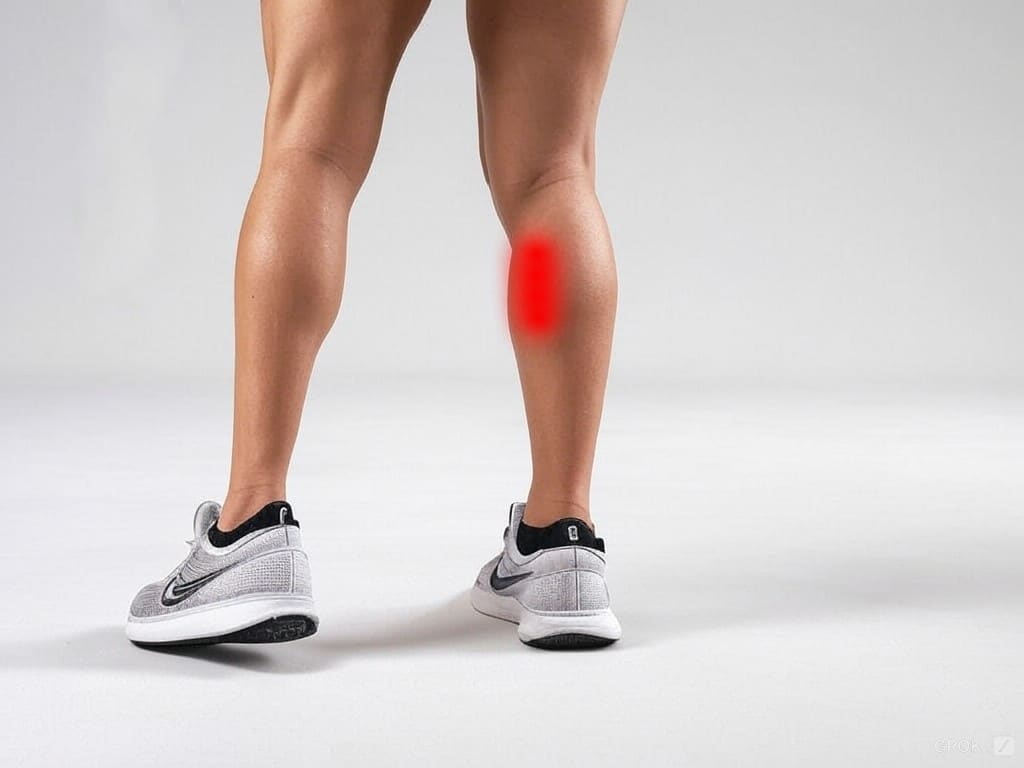
Life is full of movement—running, walking, jumping, or even climbing a flight of stairs. Your body’s muscles and tendons make it all possible, but sometimes, even the strongest parts of our bodies can falter. This article focuses mainly on gastrocnemius calf tears, one of the common calf muscle injuries.
One such area is your calf, home to the gastrocnemius muscle. This muscle works tirelessly to support your weight, power your steps, and keep you upright. It’s no wonder that when it’s injured, even simple movements can become challenging.
A gastrocnemius calf tear is one of the most common calf injuries, especially among people who stay active. It happens when the large muscle in your calf is overstretched or partially torn, often during a sudden burst of movement like sprinting, jumping, or quickly changing direction. Research shows that these injuries account for up to 13% of all muscle injuries, making them a common concern for athletes and active individuals alike1.
The Short Version
A calf tear (most often of the gastrocnemius) is a strain or tear of the calf muscle, usually from a sudden push-off, sprint, or change of direction. It ranges from a mild Grade 1 strain to a complete Grade 3 tear, and most people recover well with relative rest, graded loading, and a progressive rehab plan. A proper assessment helps grade the injury and rule out other causes. One important warning sign: a swollen, painful calf without a clear injury — or pain that is severe and out of proportion — can point to a blood clot (DVT) or compartment syndrome, both of which need urgent medical care.
If calf pain is affecting you, a proper assessment is the best place to start.
 Make Your Booking
What is a Gastrocnemius Calf Tear?
A gastrocnemius calf tear is when the big muscle in your calf, called the gastrocnemius, gets overstretched or partially ripped. This muscle helps you move, like when you run, jump, or push off with your toes. It works hard every day to support your body, but sometimes it can’t handle sudden movements or extra strain, which can cause an injury2.
Who Does It Affect the Most?
This injury is pretty common, especially for people who are active. About 13% of all muscle injuries involve the calf1. If you’re over 40, the chances of tearing your gastrocnemius go up because muscles naturally lose some flexibility and strength with age. Men, in particular, are more at risk. Why? Men often have tighter calves, which can make them more likely to get hurt.
What Causes It?
Most tears happen during activities that involve quick starts, stops, or changes in direction—like playing tennis, soccer, or basketball. Even everyday activities, like walking up a steep hill or tripping, can cause this type of injury. If your calf muscles are tight, tired, or not warmed up properly, the risk of a tear increases3.
Common Signs and Symptoms of a Gastrocnemius Calf Tear
- Sudden Sharp Pain: A quick, sharp pain in the back of your calf, often during activities like sprinting or jumping.
- Swelling or Bruising: Swelling appears quickly, and bruising may show up hours or a day later, sometimes spreading down the leg.
- Tenderness to Touch: The calf feels sore or tender, and even light pressure can be painful.
- Stiffness: The calf may feel tight, especially in the morning or after sitting for a long time.
- Difficulty Walking or Running: Walking or pushing off with the injured leg feels weak or painful; running may be impossible.
- Visible Dent or Lump: A dent may form where the muscle tore, with surrounding swelling that causes a lump.
- Pain When Stretching: Stretching the calf or pointing your toes upward can trigger pain.
- Weakness Standing on Tiptoes: Standing on tiptoes or climbing stairs feels unstable or weak due to muscle damage.
Why Does a Gastrocnemius Calf Tear Happen?
The gastrocnemius muscle is one of the main muscles in your calf. It’s strong and works hard every day to help you walk, run, jump, and push off the ground. But like anything, it can only handle so much. When the muscle is pushed too far or too fast, it can tear. Let’s break down why this happens.
How the Muscle Gets Hurt
The gastrocnemius crosses both your knee and ankle joints, which means it’s stretched and used a lot during movement. If you suddenly sprint, jump, or even trip, the muscle can stretch more than it can handle. When that happens, small tears form in the muscle fibers, especially near where it connects to the Achilles tendon2.
Why Some People Are More at Risk
As you get older, your muscles naturally lose some flexibility and strength. This is why people over 40 are more likely to injure their calf muscles. If your calves are tight, if you skip warming up before exercise, or if your muscles are already tired, the risk goes up even more. These things make it harder for the muscle to stretch and handle force without tearing.
Muscle Fatigue and Overuse
When your muscles are tired, they can’t perform as well. This means your gastrocnemius is more likely to tear if it’s overused without enough rest. For example, doing a lot of running or jumping without proper recovery time can make the muscle more vulnerable3.
What Happens Inside the Muscle
When the muscle tears, the fibers are pulled apart. If the tear is small, only a few fibers are damaged, and you might still be able to walk. But in a bigger tear, a large part of the muscle is injured, which causes pain, swelling, and weakness. During recovery, your body tries to repair the muscle by forming scar tissue. But scar tissue isn’t as strong or flexible as the original muscle, which means the muscle could be weaker and easier to hurt again if it’s not cared for properly4.
recovery and Blood Flow
The gastrocnemius has good blood flow, which can support recovery more quickly than other parts of the body, like tendons. However, if you keep using the muscle too soon after an injury, it doesn’t get the rest it needs to recover fully. This can lead to ongoing problems and a higher risk of tearing the muscle again5.
How Bad Can a Gastrocnemius Calf Tear Be?
A gastrocnemius tear can be mild or severe, and the level of damage affects how long it takes to recover. The injury is divided into three grades, each with specific signs and recovery times.
Grade 1: Mild Tear
A Grade 1 tear is the least severe and happens when only a small number of muscle fibers are stretched or torn. You may feel slight discomfort or tightness, but you can still walk and move. Swelling or bruising is usually minimal. Recovery typically takes 1 to 2 weeks with rest, stretching, and gentle strengthening exercises1.
Grade 2: Moderate Tear
A Grade 2 tear means a larger portion of the muscle is damaged. You’ll feel sharp pain and have noticeable swelling or bruising. Walking or standing on the injured leg is difficult, and pushing off with your toes may feel weak. Recovery takes about 4 to 6 weeks and involves physiotherapy to rebuild strength and flexibility2.
Grade 3: Severe Tear
A Grade 3 tear is the most serious and occurs when the muscle is completely torn. This causes intense pain, severe swelling, and bruising. You might see a dent where the muscle has torn, and walking will feel impossible. Recovery can take several months, and surgery may be needed to repair the muscle3.
What Other Conditions Could It Be?
Soleus Muscle Strain
A soleus strain causes dull pain deeper in the calf, rather than the sharp pain of a gastrocnemius tear. It’s more likely to hurt during slow activities like walking uphill4.
Achilles Tendinopathy
Achilles tendinopathy involves pain and stiffness at the back of the heel, not higher up in the calf like a gastrocnemius tear. It develops gradually and isn’t caused by a sudden injury5.
Deep Vein Thrombosis (DVT)
DVT is a blood clot that causes swelling, warmth, and pain in the calf. Unlike a tear, DVT isn’t linked to an obvious injury and may cause redness or a heavy feeling in the leg. This condition requires immediate medical attention1.
Compartment Syndrome
Compartment syndrome happens when swelling in the lower leg muscles creates too much pressure, cutting off blood flow. It causes severe pain, numbness, or tingling, which are not typical of a muscle tear. It’s a medical emergency3.
Calf Contusion
A calf contusion is caused by a direct impact, like being hit. The pain is localized to the area of the impact and doesn’t involve the sudden “snap” or weakness seen with a gastrocnemius tear3.
Common Mistakes When Treating Calf Tears
Ignoring a gastrocnemius tear or handling it poorly can lead to bigger problems. Let’s look at common mistakes and why proper care is so important.
Pushing Through the Pain
Trying to “push through” a torn muscle can make the injury worse. It might lead to a larger tear or longer recovery time. Resting is key to letting your body recover5.
Skipping Rest and Treatment
Even mild tears need time to recover. Without relative rest and proper care, scar tissue can form, making the muscle weaker and less flexible. This increases the risk of re-injury3.
Not Following a Rehab Plan
Skipping rehabilitation can result in long-term stiffness and weakness. Physiotherapy is critical to rebuilding your muscle and preventing future injuries4.
Types of Scans
Ultrasound
This quick, painless scan gives a real-time view of the muscle. It helps identify tears and swelling, making it ideal for small or recent injuries2.
MRI (Magnetic Resonance Imaging)
An MRI provides detailed images of the muscle and surrounding tissue. It’s often used for severe injuries to determine the size and location of the tear3.
X-Ray
X-rays don’t show muscle injuries but can rule out other issues, like fractures or bone problems. They’re helpful for checking if there’s more than one cause of your symptoms1.
Is Surgery Needed?
Surgery is considered for Grade 3 tears or injuries that aren’t recovery after months of treatment. The procedure, called muscle repair surgery, reconnects torn fibers to restore function3.
How Does Physiotherapy Help After Surgery?
Physiotherapy is crucial for recovery. Early sessions focus on reducing swelling and improving movement. Gradually, we’ll add strengthening exercises to rebuild your muscle and lower the risk of future injuries5.
When to Have a Calf Injury Assessed in Person
Most calf tears settle with the right care. But a few warning signs can point to a more serious problem that needs prompt medical attention. Seek urgent care (or go to your nearest emergency unit) if you notice any of the following:
- A swollen, warm, painful calf that came on without a clear injury, especially with redness or a heavy feeling in the leg — this can be a sign of a blood clot (DVT) and needs same-day assessment.
- Severe pain that feels out of proportion, with tightness, numbness, tingling, or the leg becoming tense and shiny — possible compartment syndrome, a medical emergency.
- A loud pop with sudden severe pain and difficulty walking or pushing off, or an inability to bear weight
- A hot, red area with fever or feeling generally unwell (possible infection)
- Pain that is steadily worsening, or not improving at all despite a few weeks of sensible care
These signs do not always mean something serious, but they are worth checking properly rather than guessing. When in doubt, get assessed in person.
Treatment Options
A physical therapist offers many treatments to help you recover. These are some of among the most helpful options.
Exercise Therapy
Gentle stretches and strengthening exercises rebuild your muscle. Over time, we’ll increase the intensity to lower the risk of future injuries3.
Myofascial Release
This technique relieves tension and improves blood flow by applying pressure to tight spots in the calf2.
Orthopedic Manual Therapy
Hands-on techniques improve ankle and knee movement, reducing strain on the calf1.
Laser Therapy
Laser therapy promotes recovery and reduces inflammation by boosting blood flow to the injury4.
Dry Needling
Thin needles release tension in the calf muscle, which some people find eases muscle tension and discomfort, though the evidence for it in calf tears specifically is limited.
Strapping and Taping
Tape or straps provide support, helping you move without worsening the injury2.
Frequently Asked Questions
How long does a calf tear take to recover?
It depends on the grade. A mild Grade 1 strain may settle within one to two weeks, a Grade 2 tear often takes several weeks, and a severe Grade 3 tear can take longer and sometimes needs specialist input. A physiotherapist can help you gauge a realistic timeline and progress your loading safely.
How do I know if it is a calf tear or a blood clot (DVT)?
A calf tear usually has a clear moment of injury — a sudden pain or pop during activity. A DVT tends to come on without an obvious injury, with swelling, warmth, and a heavy or aching feeling in the calf. If your calf is swollen and painful without a clear cause, seek medical care promptly, as a DVT is a medical emergency.
Should I keep training with a calf tear?
Pushing through a calf tear often makes it worse and can lengthen recovery. It is usually better to reduce aggravating activities, stay gently active within comfortable limits, and follow a graded plan. Sharp or worsening pain is a sign to back off and get assessed.
What is the difference between a gastrocnemius and a soleus strain?
The gastrocnemius is the larger, more superficial calf muscle and tends to be injured during fast, explosive movements with the knee straight. The soleus sits deeper and is more often involved in endurance activity, with a duller, deeper ache. Telling them apart matters because recovery timelines and rehab can differ, which is where a proper assessment helps.
When should I see a physiotherapist about a calf injury?
It is worth getting assessed if your calf pain is not improving, keeps returning, or is limiting your training or daily activities. Seek urgent medical care straight away for a swollen painful calf without a clear injury, or for severe pain that feels out of proportion.
Conclusion
A gastrocnemius tear doesn’t have to hold you back. With the right care, exercises, and a bit of patience, you can recover, rebuild your strength, and get back to doing what you love.
Recovery takes dedication, but every small effort matters—whether it’s following your exercise plan, resting when needed, or staying consistent with treatment. These steps all add up to a stronger, healthier you. I’m here to help.
Ready to take the next step? Book a session at Daniel da Cruz Physiotherapy in Sandton.
References
- Green, B., & Pizzari, T. (2017). Calf muscle strain injuries in sport: A systematic review of risk factors for injury. British Journal of Sports Medicine, 51(16), 1189–1194. https://doi.org/10.1136/bjsports-2016-097177 ↩
- Green, B., Lin, M., Schache, A. G., McClelland, J. A., Semciw, A. I., Rotstein, A., Cook, J., & Pizzari, T. (2020). Calf muscle strain injuries in elite Australian Football players: A descriptive epidemiological evaluation. Scandinavian Journal of Medicine & Science in Sports, 30(1), 174–184. https://doi.org/10.1111/sms.13552 ↩
- Dixon, J. B. (2009). Gastrocnemius vs. soleus strain: How to differentiate and deal with calf muscle injuries. Current Reviews in Musculoskeletal Medicine, 2(2), 74–77. https://doi.org/10.1007/s12178-009-9045-8 ↩
- Bright, J. M., Fields, K. B., & Draper, R. (2017). Ultrasound diagnosis of calf injuries. Sports Health, 9(4), 352–355. https://doi.org/10.1177/1941738117696019 ↩
- Meek, W. M., Kucharik, M. P., Eberlin, C. T., Naessig, S. A., Rudisill, S. S., & Martin, S. D. (2022). Calf strain in athletes. JBJS Reviews, 10(3), e21.00183. https://doi.org/10.2106/JBJS.RVW.21.00183 ↩
Leave a Reply