
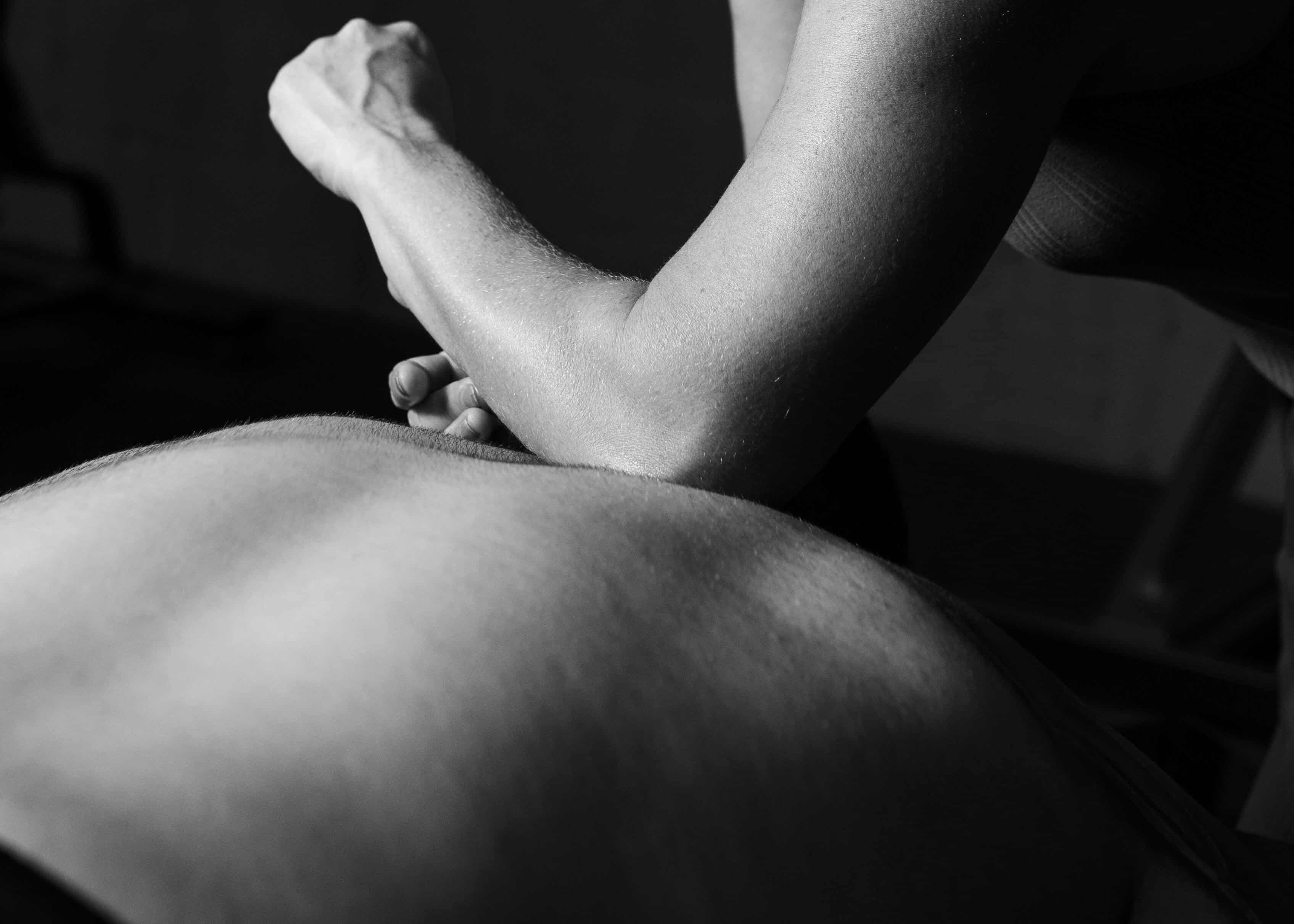
If you’ve ever felt like your muscles are tight or like you’re carrying around a lot of tension, that’s where myofascial release (MFR) comes in.
Imagine the fascia, a thin layer of connective tissue that surrounds and supports your muscles, like a web holding everything together. When this web gets too tight—whether from stress, injury, or even poor posture—it can restrict your movement and cause pain.
Myofascial release is a hands-on technique where I apply gentle, sustained pressure to those tight spots, helping to stretch and loosen the fascia, which can reduce your pain and help you move more freely.
You might be dealing with chronic pain, stiffness, or an injury that just doesn’t seem to heal. Myofascial release can help by getting to the root of the problem—those tight, restricted areas in your fascia.
By working on these areas, we can help improve your range of motion, making everyday tasks easier and more comfortable.
Whether you’re an athlete, someone managing long-term pain, or just want to feel better in your body, MFR can be an important part of your recovery and wellness journey. I’m here to guide you through it and help you feel your best.
What is Myofascial Release?
Myofascial Release (MFR) is a therapy that helps relieve muscle tightness. Over time, your muscles can become tight due to stress, poor posture, or injury. This tightness can cause pain and make it harder for you to move. MFR works to release this tension, making it easier for you to move and feel more comfortable.7
Understanding Muscle Tension
Muscle tension happens when your muscles stay tight for a long time. This can be due to stress, poor posture, injury, or overusing your muscles. When your muscles are always tight, they can become sore and stiff. This can lead to ongoing pain and make everyday activities more difficult.2
How Myofascial Release Works
MFR targets these tight muscles. As your physiotherapist, I would use my hands to apply gentle, steady pressure to the areas where your muscles are tight. This pressure helps to relax the muscles, release the tension, and improve blood flow. This can reduce pain and make it easier for you to move.1
Goals and Benefits of Myofascial Release
Relief from Chronic Pain
MFR helps reduce pain caused by tight fascia. Whether it’s back pain, headaches, or neck tension, this therapy works to address the main cause of your discomfort, giving you long-lasting relief.1
Improved Mobility and Flexibility
By releasing tight fascia, MFR improves your range of motion, making it easier to move without pain. This is especially helpful if you feel stiff or restricted in your daily activities or during exercise.2
Enhanced Athletic Performance
For athletes, MFR can make a big difference. By increasing flexibility and reducing muscle tightness, it helps improve performance and lowers the risk of injury.3
Stress Reduction
The gentle pressure applied during MFR can calm your nervous system, helping to reduce stress and promote relaxation.4
Improved Posture
Tight fascia can pull your body out of alignment, leading to poor posture and pain. MFR helps correct these imbalances, encouraging better posture and reducing strain on your muscles and joints.5
Enhanced Healing of Injuries
If you’re recovering from an injury, MFR can speed up healing by improving blood flow to the affected areas and reducing the buildup of scar tissue. This helps the injury heal faster and prevents future issues related to stiffness or immobility.6
Reduction of Muscle Tension and Spasms
MFR works to relax your muscles, reducing tension and preventing painful muscle spasms, which is particularly useful if you suffer from chronic muscle tightness.7
Who is Myofascial Release For?
People Recovering from Injuries
If you’re recovering from an injury, especially one that has caused muscles to become stiff or tight, MFR can be a key part of your recovery plan. It helps to reduce muscle tension, improve blood flow, and prevent the formation of scar tissue, which can speed up healing.6
Individuals Experiencing Stress and Anxiety
Stress and anxiety can cause your muscles to tense up, leading to physical discomfort. MFR helps to relax these muscles, which can have a calming effect on your body and mind, helping to reduce overall stress levels.4
Chronic Pain Sufferers
If you experience ongoing pain in areas like your back, neck, or shoulders, MFR can help. Chronic pain often stems from tight muscles that don’t relax properly, and MFR works to release this tension, providing long-term relief.1
Athletes
Whether you’re a professional athlete or just enjoy staying active, MFR can help you by improving your flexibility, reducing muscle tightness, and speeding up recovery after intense physical activity.3
Those with Poor Posture
Poor posture, whether from sitting at a desk all day or other habits, can lead to muscle tension and pain. MFR helps to release the tight muscles that contribute to poor posture, making it easier to stand up straight and move without discomfort.5
Patients with Tension Headaches
Tension headaches are often caused by tight muscles in the neck and shoulders. MFR can relieve the tension in these muscles, reducing the frequency and intensity of headaches.7
What to Expect During a Myofascial Release Session
When you come in for a Myofascial Release (MFR) session, here’s what you can expect:
Duration of the Session
A typical MFR session lasts between 30 to 45 minutes, depending on the areas being treated and your specific needs. If it’s your first session, it might be a bit longer to allow time for an initial assessment and discussion about your goals and concerns.
What to Wear
It’s best to wear comfortable, loose-fitting clothing that allows easy access to the areas being treated. For example, shorts and a tank top or sports bra work well. If you’re having your back, neck, or shoulders treated, you might be asked to remove your shirt, but you will be covered with a towel or sheet to ensure your comfort and privacy.
Assessment
At the beginning of the session, I’ll take a few minutes to assess your posture, movement, and areas of tension. I may ask you to perform some simple movements or stretches to help identify the tight spots that need attention.
Treatment
Once the assessment is complete, I’ll begin the treatment. I’ll use my hands to apply gentle, steady pressure to the areas of tension. The pressure should feel firm but not painful. The goal is to help your muscles relax and release the tension. I may also use stretching techniques to enhance the release.
Communication
During the session, I’ll check in with you regularly to ensure that you’re comfortable and that the pressure is just right. It’s important to let me know if anything feels too intense or if you’re experiencing any discomfort.
Frequently Asked Questions (FAQs) About Myofascial Release
Is Myofascial Release painful?
No, Myofascial Release shouldn’t be painful. The pressure I apply is firm enough to release muscle tension but gentle enough to avoid discomfort. Some areas might feel a bit tender, especially if they’re very tight, but it should be more of a “good hurt” that helps you feel relief. If anything feels too intense, just let me know, and I can adjust the pressure.
How many sessions will I need?
I generally recommend starting with at least three sessions to give your body time to respond to the treatment. Some people feel significant relief after the first session, but others might need a few sessions to really notice the benefits. After three sessions, we can reassess and decide if additional treatments are needed based on how you’re feeling.
Can Myofascial Release be combined with other treatments?
Yes, Myofascial Release can be effectively combined with other treatments such as orthopedic manual therapy, rehabilitation exercises, strapping, or even laser therapy. Combining these treatments can enhance your recovery, improve mobility, and reduce pain more effectively.
What should I wear to a Myofascial Release session?
You’ll want to wear something comfortable and loose-fitting. Shorts and a tank top or sports bra are ideal. If we’re working on your back, neck, or shoulders, I might ask you to remove your shirt, but don’t worry—you’ll be covered with a towel or sheet to keep you comfortable and modest.
How soon will I feel the results of Myofascial Release?
Many people feel some relief right after the first session, but it can take a few sessions to notice significant changes, especially if your muscle tension has built up over a long time. We’ll keep track of your progress and adjust as needed to make sure you’re getting the best results.
Is Myofascial Release safe for everyone?
For most people, Myofascial Release is very safe. However, if you have certain medical conditions, like blood clots, recent fractures, or severe osteoporosis, we’ll need to discuss those first to ensure this treatment is appropriate for you. Your safety is my top priority.
How often should I have Myofascial Release sessions?
How often you should have MFR sessions depends on your needs. Starting with one session per week for the first three weeks is a good approach. This allows us to build momentum and see how your body responds. After that, we can adjust the frequency based on your progress and goals.
Can I continue my regular activities after a Myofascial Release session?
Yes, you can usually go about your day as normal after a session. I do recommend taking it easy for the rest of the day, though, especially if it’s your first time. Avoid strenuous activities so your body can fully benefit from the treatment.
Will my medical aid cover Myofascial Release?
Coverage for Myofascial Release varies depending on your medical aid plan. Some plans may cover MFR as part of your physiotherapy benefits. It’s best to check with your medical aid provider to understand what’s covered. I can also assist with providing any necessary documentation.
How do I know if Myofascial Release is working for me?
You’ll know MFR is working if you start feeling less pain, more flexibility, and overall better movement. I’ll also be checking in with you during each session to see how you’re progressing. If we’re not seeing the improvements we want, I’ll adjust your treatment plan to better meet your needs.
What should I do if I feel sore after a session?
It’s normal to feel a little sore after a session, similar to how you might feel after a workout. To help with this, drink plenty of water, get some rest, and do the gentle stretches I’ll show you. The soreness should go away in a day or two, and then you’ll start feeling the benefits.
Can Myofascial Release help with sports injuries?
Yes, Myofascial Release is great for helping with sports injuries. It can reduce muscle tension, improve flexibility, and speed up your recovery, so you can get back to your activities faster and with less risk of re-injury.
Related Treatments
Here are some other treatments that can work well with your Myofascial Release sessions:
- Orthopedic Manual Therapy: This involves hands-on techniques to help improve joint movement, reduce pain, and increase flexibility. It can be a great addition to Myofascial Release for treating joint and muscle issues.
- Rehabilitation Exercises: These exercises are designed to help you regain strength, balance, and function after an injury. Doing them alongside Myofascial Release can speed up your recovery and help you get back to your normal activities faster.
- Neural Mobilization: This technique helps improve the movement and flexibility of your nerves, especially if they’re trapped or pinched. Combining it with Myofascial Release can enhance nerve function and reduce pain.
- Strapping and Taping: Using tape to support injured muscles or joints can help stabilize the area and reduce pain during movement. This can be especially useful when combined with Myofascial Release to keep you active while you heal.
- Laser Therapy: Laser therapy involves the use of specific wavelengths of light to penetrate the skin and tissues, promoting healing at a cellular level. It’s particularly effective for reducing inflammation, relieving pain, and speeding up the healing process for both acute and chronic conditions. Combining laser therapy with Low-Level Laser Therapy can enhance overall treatment outcomes, particularly for deep tissue issues.
References
- Laimi, K., Mäkilä, A., Bärlund, E., Katajapuu, N., Oksanen, A., Seikkula, V., Karppinen, J., & Saltychev, M. (2018). Effectiveness of myofascial release in treatment of chronic musculoskeletal pain: a systematic review. Clinical rehabilitation, 32(4), 440–450. https://doi.org/10.1177/0269215517732820
- Ajimsha, M. S., Al-Mudahka, N. R., & Al-Madzhar, J. A. (2015). Effectiveness of myofascial release: systematic review of randomized controlled trials. Journal of bodywork and movement therapies, 19(1), 102–112. https://doi.org/10.1016/j.jbmt.2014.06.001
- Mauntel, T., Clark, M. A., & Padua, D. (2014). Effectiveness of Myofascial Release Therapies on Physical Performance Measurements: A Systematic Review. Athletic Training & Sports Health Care, 6(4), 189-196. https://doi.org/10.3928/19425864-20140717-02
- Cathcart, E., McSweeney, T., Johnston, R., Young, H., & Edwards, D. J. (2019). Immediate biomechanical, systemic, and interoceptive effects of myofascial release on the thoracic spine: A randomised controlled trial. Journal of bodywork and movement therapies, 23(1), 74–81. https://doi.org/10.1016/j.jbmt.2018.10.006
- Ajimsha, M. S., & Shenoy, P. (2019). Improving the quality of myofascial release research – A critical appraisal of systematic reviews. Journal of bodywork and movement therapies, 23(3), 561-567.
- Silva, F. P. da, Moreira, G., Zomkowski, K., Amaral de Noronha, M., & Flores Sperandio, F. (2019). Manual Therapy as Treatment for Chronic Musculoskeletal Pain in Female Breast Cancer Survivors: A Systematic Review and Meta-Analysis. Journal of manipulative and physiological therapeutics, 42(7), 503-513.
- Vernon, H., & Schneider, M. (2009). Chiropractic management of myofascial trigger points and myofascial pain syndrome: a systematic review of the literature. Journal of manipulative and physiological therapeutics, 32(1), 14–24. https://doi.org/10.1016/j.jmpt.2008.06.012
- Ughreja, R. A., Venkatesan, P., Balebail Gopalakrishna, D., & Singh, Y. P. (2021). Effectiveness of myofascial release on pain, sleep, and quality of life in patients with fibromyalgia syndrome: A systematic review. Complementary therapies in clinical practice, 45, 101477. https://doi.org/10.1016/j.ctcp.2021.101477
Leave a Reply